Why We Always Feel Behind as Teachers and the Real Toll It Takes on Your Health
The countdown to summer holidays has begun. That’s for sure you can already feel that little sense of freedom creeping in.
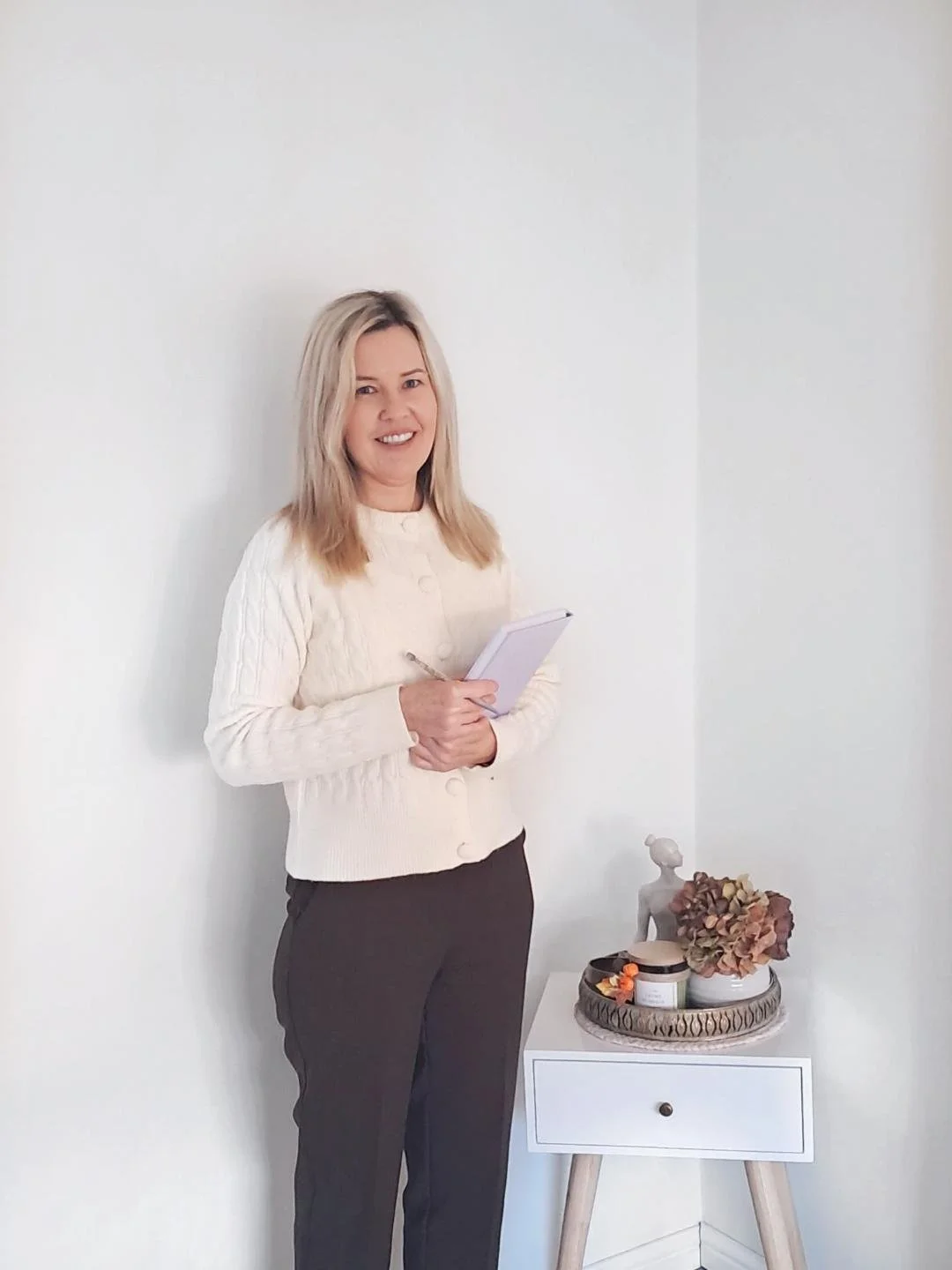
I remember that feeling so clearly when I was teaching. Sometimes I’d take the class outside for a run and catch myself staring up at the sky for a second just breathing, feeling that tiny glimpse of freedom. Freedom has always been one of my deepest values.
But alongside the excitement of summer, there can also be something else quietly sitting in the background: the unfinished work, the reports, the inbox, the marking pile, the planning. The long list that somehow keeps growing no matter how much you do. You look around your classroom at the end of the day and think: How is it even possible to get through all of this before summer? No matter how early you arrive or how late you stay, the horizon of “done” keeps moving. You feel behind all the time. If that’s where you are right now it really is no surprise.
The invisible "bandwidth tax" we carry every day
As a former teacher, I lived in this cycle for years. I genuinely believed that if I worked a bit faster, became more organised, stayed later, or drank another coffee, I’d eventually catch up.
I must say the pressure teachers are under right now is not normal. The workload is relentless. The emotional demands are exhausting. The hidden price teachers pay for experiencing that level of stress is often much higher than we realise. Behavioural scientists call it the Bandwidth Tax. When your brain feels like there isn’t enough time or enough capacity, it moves into survival mode. Your nervous system starts scanning for danger, your mind becomes more reactive, and you can’t think clearly. You struggle to make decisions, and simple tasks feel like just another thing on your to-do list that is going to break you.
It can genuinely feel like you’re trying to think clearly while running on very little sleep. This is something I wish I’d known when I was teaching. You’re not struggling because you’re not disciplined enough or you need to “just get more organised.” You’re struggling because constant pressure drains the exact brain power you need to think clearly and move through the work. This is important because I know that some teachers blame themselves for this all the time. It isn’t a personal failure. It’s a nervous system that becomes dysregulated under long-term stress.
Why your mind won't let you switch off (the "20 open tabs" feeling)
There’s another reason this feels so exhausting. Psychologists call it the Zeigarnik Effect. Put simply, it just means your brain doesn’t like unfinished tasks. It keeps them active in the background, constantly running through your mind like twenty browser tabs open all at once. Which is why even when you sit down in the evening, your body may still feel switched on. You may notice in your body:
· tight shoulders
· shallow breathing
· clenching your jaw
· restless energy in your chest
· feeling tired but unable to fully relax
That’s often your nervous system still processing the unfinished list. Still paying the hidden tax.
A gentle, 60-second reset to try this week
If you’ve been feeling overwhelmed lately, here’s something gentle to try. When the “I’m so behind” feeling hits you let yourself to pause for sixty seconds and breathe out longer than you breathe in. Give yourself some time to breathe without fixing, catching up, or trying harder. Just one longer exhale and a small pause.
This breathing technique sends an immediate signal straight to your nervous system: You are safe right now. Your brain thinks more clearly when your body feels safe. Sometimes that tiny conscious pause changes more than another rushed task ever could.
If you’d like more gentle nervous system tools, honest insights on teacher well-being, and a space where we chat about navigating the school term without burning out, you’re so welcome to join my email community here. It’s a low-frequency, gentle space just for educators.
Or download my free Self Assessment Burnout Quiz to identify exactly where you are on the burnout spectrum.

About the Author
Sonata Jankauskiene is a CNM-certified Health Coach specialising in nervous system regulation and burnout prevention for teachers. After experiencing her own burnout as a teacher, she now helps educators recognise the warning signs early and create sustainable balance.
Was this helpful? Let me know in the comments below, or send me a message about what you'd like to read next.
Disclaimer: This article is for educational purposes only and is not a substitute for medical advice. If you're experiencing severe symptoms, please consult your GP or a mental health professional.