I Used to Love Teaching: Why You've Lost Your Motivation (And What Your Body Is Trying to Tell You)
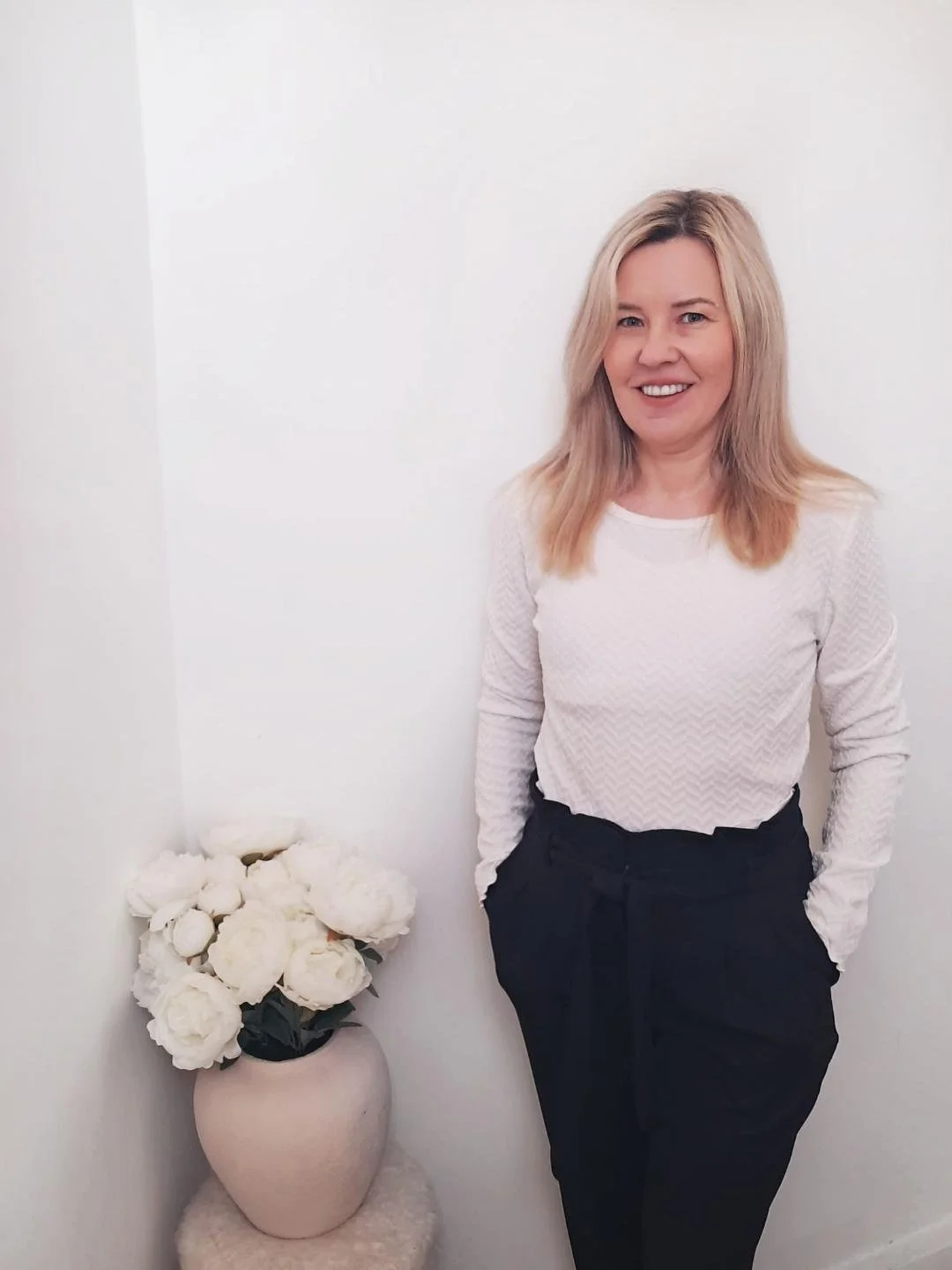
"I'm so sad about a career that I used to love. It's just horrific at the moment."
That was one of the responses from a recent teacher survey I ran. Another teacher shared how undervalued they felt by pupils, leading to a daily: "What's the point?"
When I read those comments, they were not surprising at all because I remember feeling exactly the same way. My motivation for teaching quietly and patiently was slowly melting away amid daily extreme anxiety and physical pain. I felt as though I was drowning, with no clue what the heck was wrong with me.
Of course, I blamed the system and the environment. But if I’m honest, I blamed myself too. I couldn't understand why I was struggling so much. Other teachers seemed to be carrying on, while I felt exhausted, anxious and overwhelmed. I kept asking myself: “Why can’t I cope? Why am I suffering so badly?”
Maybe you do too. Perhaps you're waking up exhausted before the day has even started and you feel emotionally drained, anxious, overwhelmed, cynical, unmotivated, or disconnected from the teacher you used to be.
Perhaps you're dealing with headaches, chronic pain, digestive issues, poor sleep, or a body that seems to be constantly running on empty. Somewhere underneath it all is a question that feels difficult to admit: "Have I lost my passion for teaching?"
I really see you and understand how difficult this can feel. When you're dealing with so many systemic, professional and personal challenges every single day, it's a lot for one person to deal with. This is often when we start questioning ourselves and quietly come to the conclusion: "Maybe this job just isn't for me." Because if you're merely surviving, constantly drained of energy and struggling to find a sense of peace, it's understandable to wonder whether teaching is the problem.
What I know has happened for many teachers is not that they've lost their passion or ability to teach but they've lost their sense of safety. Consequently, with that comes a fear that quietly sits in the background: "How much longer can I keep going at this pace?" "How long can I cope with this amount of pressure and stress?"
The Problem Isn't Just Workload
Let's be honest. Teaching is hard right now. Many teachers are dealing with increasing workload demands, challenging pupil behaviour, lack of support, constant change, unrealistic expectations and very little time to recover.
Unfortunately, the current education system contributes highly to mental and physical pressure teachers are under right now. The teachers who completed my survey made this crystal clear: many believe significant changes are needed within education.
I totally agree. But while we wait for systems to change, many teachers are left asking: "What is happening to me?"
That was certainly my question. When I experienced burnout and chronic pain, I became convinced that changing schools, trying harder to fit in and even waiting for the new leadership would solve everything.
I thought if I could just change my environment, I would feel like myself again. Don't get me wrong, sometimes changing schools, roles or even careers is absolutely the right decision.
But before making that decision, I needed to understand something important: how much of my exhaustion was being created by my environment, and how much was being amplified by a nervous system that had been stuck in survival mode for far too long?
What Happens When Survival Mode Becomes Your Normal
Most teachers I speak to have spent years overriding their needs:
-Skipping breaks
-Working through lunch
-Answering emails late at night
-Pushing through exhaustion
-Managing constant demands without enough time to recover
The human nervous system can cope with short periods of stress. It struggles when stress becomes constant. From a neuroscience perspective, the brain is always scanning for safety and threat. When pressure, uncertainty and demands become relentless, the brain starts prioritising survival. This is helpful in the short term. But over time it comes at a cost.
The parts of the brain involved in creativity, motivation, problem-solving and enjoyment begin to take a back seat. This is why so many teachers tell me:
-"I can't switch off."
-"I don't enjoy teaching anymore."
-"I feel exhausted all the time."
-"I don't recognise myself."
These experiences don't automatically mean you're in the wrong career. They may be signs that your biology has been stretched past the breaking point.
The Ocean Analogy
Imagine you're lost in the middle of a stormy ocean where the waves are rough. You're doing everything you can to stay afloat. In that moment, your brain isn't thinking about a future holiday, it isn't planning something creative, or it isn't imagining exciting possibilities. Its only job is to keep you safe.
A nervous system in survival mode behaves in much the same way. When your body doesn't feel safe, motivation, enjoyment and creativity naturally move into the background. This brings us to understanding that this is our biology and it isn't weakness or laziness.
Why Understanding Yourself is Important
One of the biggest mistakes I made during burnout was assuming I needed to immediately decide what to do:
-Should I stay?
-Should I leave?
-Should I change schools?
-Should I change careers?
What I actually needed first was understanding. I needed to understand why I felt the way I did, why I had lost my motivation, why I was in pain, and why making even simple decisions felt so difficult.
Just as a doctor doesn't prescribe treatment before understanding the symptoms, we need to understand what our own symptoms are trying to tell us.
Not because the system isn't a problem, but because understanding ourselves and moving out of survival mode helps us respond more clearly to the challenges we face.
An Inside-Out Path Forward
When teachers feel stuck, I encourage them to become curious about three things.
1.Listen to Your Body
You may be experiencing exhaustion, anxiety, poor sleep, chronic pain, brain fog or irritability.
Rather than viewing these as signs of failure, consider them information. By sending these signals, your body may be communicating that something needs your attention.
2. Pay Attention to Your Thoughts and Feelings
-What keeps frustrating you?
-What leaves you feeling resentful?
-What drains your energy?
These reactions often reveal important clues about your needs and values.
3. Reconnect With What Matters Most
Before you're a teacher, you're a human being.
-What matters most to you?
-What do you need to feel healthy, fulfilled and aligned?
-What kind of life are you trying to build?
These questions can help you reconnect with yourself beyond the demands of the profession.
Clarity before Action
Many teachers believe they need to know what to do before they can feel better. In my experience, clarity often works the other way around. First comes awareness. Then it’s followed by understanding, self-trust and clearer decisions. Eventually you may decide to stay in teaching, you may decide to change schools, or you may decide to leave education altogether.
There is no right answer that applies to everyone. But whatever decision you make, you'll be in a stronger position if it comes from understanding rather than exhaustion.
The goal isn't simply to escape discomfort but to understand what your experience is trying to teach you. From that place, you can begin moving forward with greater confidence, clarity and self-trust.
If you’d like gentle support to understand what’s happening beneath stress and overwhelm in teaching, alongside simple somatic and nervous system practices to help you feel more grounded in your day-to-day life, you’re very welcome to join my email community here.
It’s a low-frequency space for educators who want both clarity and practical support as they navigate work, stress, and decision-making.
Sonata x
Or download my free Self Assessment Burnout Quiz to identify exactly where you are on the burnout spectrum.
About the Author
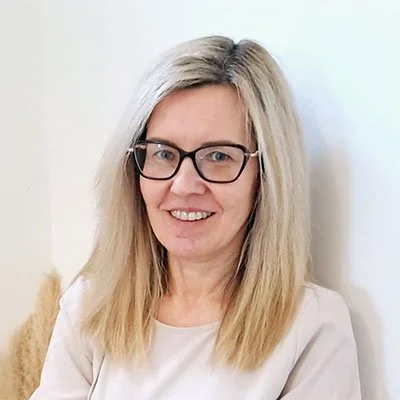
Sonata Jankauskiene is a CNM-certified Health Coach specialising in nervous system regulation and burnout prevention for teachers. After experiencing her own burnout as a teacher, she now helps educators recognise the warning signs early and create sustainable balance.
Was this helpful? Let me know in the comments below, or send me a message about what you'd like to read next.
Disclaimer: This article is for educational purposes only and is not a substitute for medical advice. If you're experiencing severe symptoms, please consult your GP or a mental health professional.