Slow Summer To-Be List: Week 1 — A Gentle Invitation to Rest
I can imagine you have your holiday booked, your suitcases packed, and very soon you'll be heading off to enjoy the sunshine and waves. This vision has probably kept you going and helped you get through the last hectic school term as you've looked forward to peaceful days, worry-free nights, catching up with family and friends, perhaps travelling, lots of reading, and plenty of nice, healthy food.
I can remember that warm feeling when you close the classroom door, sit in the car, and feel that buzz that, for the first time in months, there is nowhere you need to be and nothing you need to prepare for tomorrow.
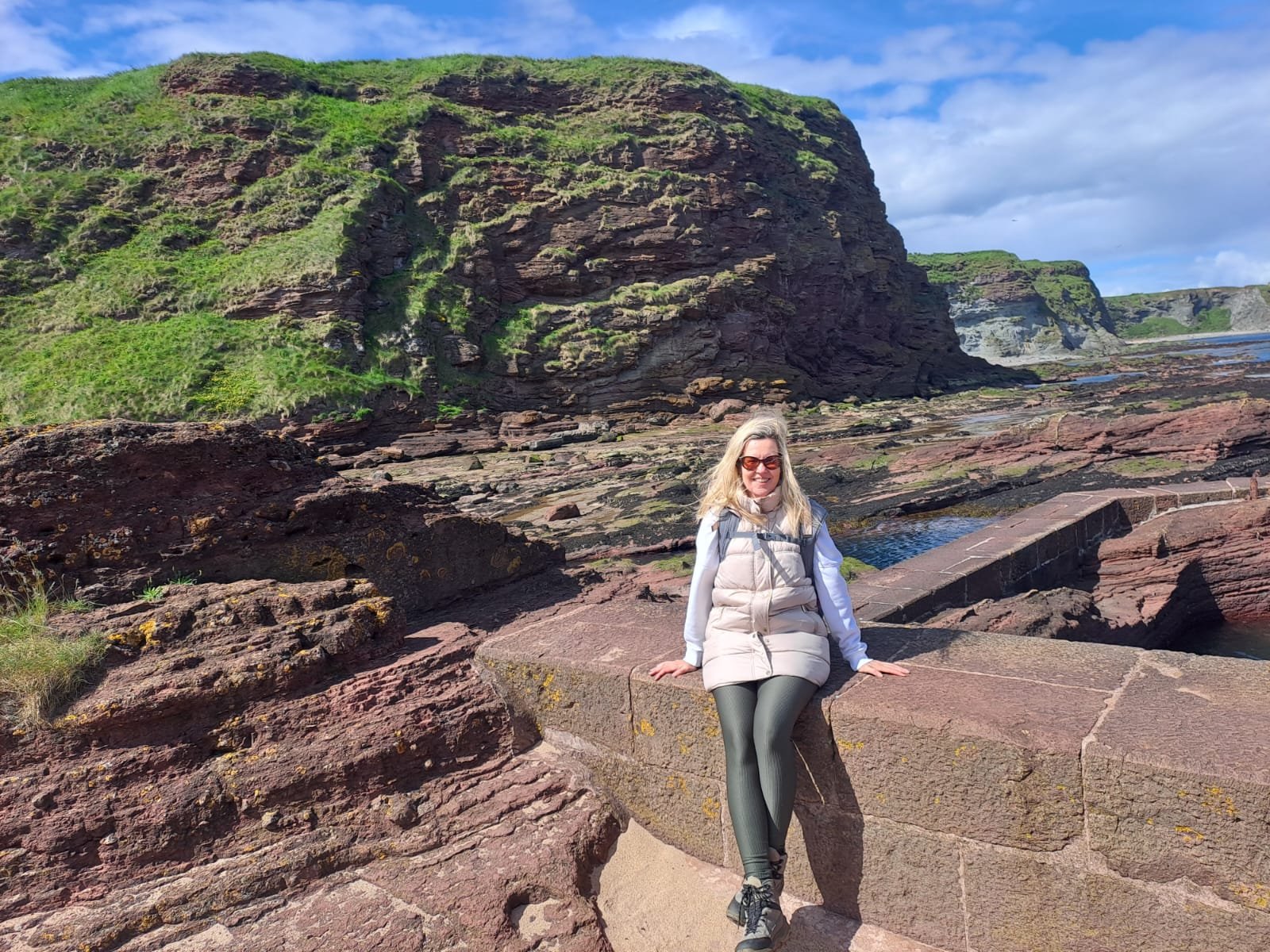
After such a demanding year, teachers expect to feel instantly refreshed the moment the holidays begin. But please don't feel disheartened if that isn't always what happens.
Instead, you may find that you've caught a cold or have a sore throat. You may find yourself sleeping for hours and still feeling tired. Some days, you wonder why you're so exhausted when the pressure has finally eased.
If this sounds familiar, there may be nothing wrong with you. This is very common when your body finally feels safe again.
Throughout the school year, many teachers spend months operating with their nervous system in a state of heightened alertness. There are lessons to plan, behaviour to manage, emails to answer, deadlines to meet, and young people to support. Your brain becomes incredibly skilled at helping you keep going.
The problem is that "keeping going" can become your normal.
When we're under unhealthy stress, the nervous system operates as if you are constantly in danger. It pumps out stress hormones to push you through the day, the week, and eventually the term. The nervous system always prioritises survival over the healthy functioning of other body systems.
When the holidays arrive, the professional demands drop, and this is when your brain starts to feel safe again. You may then notice the fatigue as your body begins to relax and finally gets permission to recover.
Why Sleep Matters So Much
This is why I started our Slow Summer To-Be List with an invitation for you to prioritise rest this holiday season.
If I could encourage teachers to focus on one thing during the first few weeks of the holiday, it would be sleep because sleep is where so much of the body's repair work happens.
While we sleep, the brain processes emotions, restores energy, and clears away waste products that build up throughout the day. Sleep helps us think clearly, regulate our emotions, and cope with life's challenges.
When we don't get enough good-quality sleep, we often feel more irritable, less patient, and more easily overwhelmed. We may struggle to concentrate, make decisions, or remember things, and even minor aches and pains can seem worse. Many of us also reach for extra caffeine, sugary snacks, or convenience foods because our brains are looking for a quick boost of energy. This doesn't mean you lack willpower; it's simply how a tired brain tries to help us get through the day.
The Summer Opportunity
One of the things summer offers that teachers rarely experience during term time is space to slow down, recover, and pay attention to what your body needs. One of the kindest things you can do for yourself during this time is to create a gentle sleep routine. Not a perfect routine or a strict schedule, but simply going to bed and getting up at roughly the same time most days. Consistency is key.
Some people assume that sleeping until lunchtime is the best way to recover from exhaustion, and sometimes your body may genuinely need that. However, over time, a more regular sleep pattern often helps us feel more refreshed, with steadier energy, a more balanced mood and greater motivation to take care of ourselves, whether that’s going for a walk, preparing a healthy meal or spending time outdoors when we're not constantly feeling exhausted.
When Sleep Doesn't Come Easily
Of course, recovery isn't always straightforward. Many teachers finish the school year feeling physically exhausted, yet their mind is still running at full speed. After months of deadlines, responsibilities and constant demands, it can take time for your body and mind to recognise that the pressure has eased.
If this sounds familiar, try to be gentle with yourself. One poor night's sleep isn't a problem, and neither is the occasional late night spent with friends, watching a movie or enjoying a summer evening. Life is there to be enjoyed. What matters most is the overall pattern. When poor sleep becomes the norm for weeks or months, that's when it can start to affect how we feel and function. If you've had a restless night, don’t beat yourself up. Your nervous system doesn't need perfection; it responds much better to consistency, patience and conscious awareness for self-care.
This Week's Slow Summer Invitation
As you move into the holidays, perhaps there is no need to focus on fixing yourself. Perhaps your body already knows what it needs: more rest, more sleep and a little more space to slow down. Rather than putting pressure on yourself to do more, it may be helpful to think about what would help you create a gentler rhythm around rest.
It could be something as simple as putting your phone away a little earlier, reading before bed, going to sleep thirty minutes sooner than usual, or simply giving yourself permission to stop. After working so for so many months, your body is not asking you to work harder. It is asking for time to recover, and summer may be the perfect opportunity to listen.
Sonata x
P.S. If you’d like gentle support to understand what’s happening beneath stress and overwhelm in teaching, alongside simple somatic and nervous system practices to help you feel more grounded in your day-to-day life, you’re very welcome to join my email community here.
It’s a low-frequency space for educators who want both clarity and practical support as they navigate work, stress, and decision-making.
Or download my free Self Assessment Burnout Quiz to identify exactly where you are on the burnout spectrum.

About the Author
Sonata Jankauskiene is a CNM-certified Health Coach and former teacher who helps educators understand the effects of chronic stress and burnout so they can reconnect with themselves, regain clarity and support their wellbeing from the inside out.
Was this helpful? Let me know in the comments below, or send me a message about what you'd like to read next.
Disclaimer: This article is for educational purposes only and is not a substitute for medical advice. If you're experiencing severe symptoms, please consult your GP or a mental health professional.